Understanding Emergency Care
An emergency department is designed to provide immediate medical care for sudden, serious, or life-threatening conditions. Knowing when to seek emergency care can make a critical difference to your health and safety.
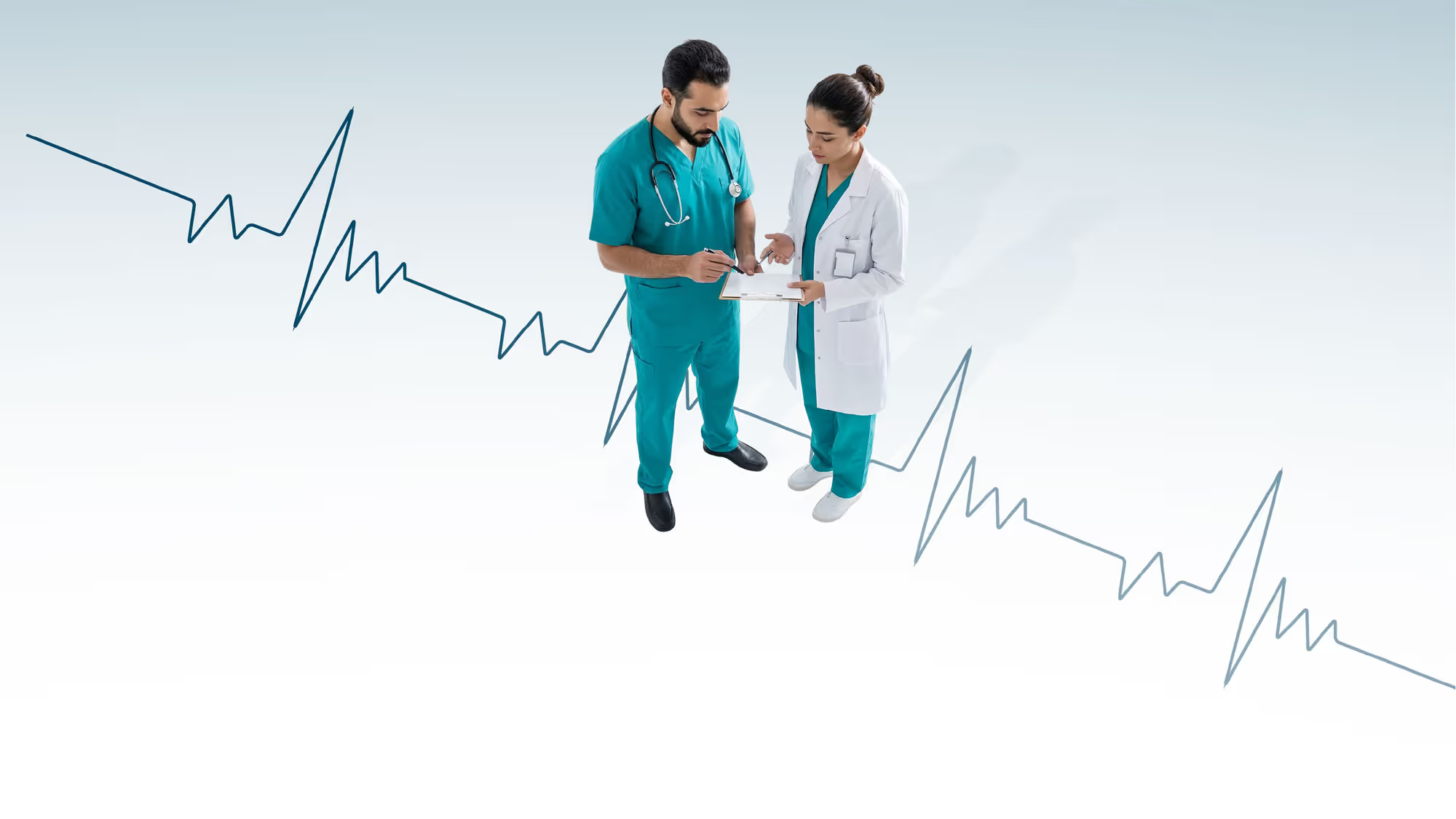
Emergency teams are trained to assess symptoms quickly, prioritize care based on urgency, and provide timely treatment for patients of all ages.
When Should You Go to the Emergency Department?
You should seek emergency medical care if you or someone with you experiences:
- Chest pain, shortness of breath, or sudden difficulty breathing
- Severe abdominal pain or uncontrolled vomiting
- Loss of consciousness, seizures, or sudden confusion
- Heavy bleeding, deep cuts, or serious burns
- Head injuries, falls, or accidents
- Sudden weakness, numbness, or difficulty speaking
- High fever in infants or children
- Severe allergic reactions or swelling of the face or throat
If you are unsure whether a situation is urgent, it is always safer to seek medical attention.
What Is Triage and Why Does It Matter?
When you arrive at the emergency department, a medical professional will assess your condition through a process called triage.
This helps identify patients who need immediate care and ensures that the most serious cases are treated first.
This means patients are seen based on medical urgency, not arrival time.
Emergency Care for Children
Children may not always be able to describe how they feel. Warning signs that require urgent attention include:
- Difficulty breathing
- Persistent fever
- Severe pain or unusual drowsiness
- Dehydration or repeated vomiting
- Sudden changes in behavior
Pediatric emergency teams are trained to manage children’s medical needs with care, reassurance, and age-appropriate treatment.
What to Expect During Your Visit
During an emergency visit, you may undergo:
- Rapid medical assessment
- Diagnostic tests such as blood work or imaging, if needed
- Monitoring and immediate treatment
- Referral for further care or admission if required
The goal is to stabilize your condition, relieve symptoms, and ensure safe next steps.
Your Safety Comes First
Emergency departments operate around the clock to ensure help is available whenever it is needed. Seeking timely care can prevent complications and support better outcomes.
If you believe a condition may be serious, do not delay seeking medical attention.